
Hamza Asumah, MD, MBA
The nature of staff turnover in hospital business in Africa can vary depending on the specific country, region, and hospital.
There is limited data available on staff turnover in hospital business in Africa, as many healthcare facilities do not have formal mechanisms for tracking turnover rates. However, some studies and reports provide insight into the issue.
For example, a 2019 study published in the International Journal of Health Planning and Management found that turnover rates for nurses in Nigeria ranged from 20.8% to 41.3%, depending on the hospital. The study also found that factors contributing to turnover included low compensation, poor working conditions, and limited opportunities for career advancement.

Photo by Robert Half
Another study published in 2015 in the Journal of Nursing Education and Practice found that the turnover rate for nurses in Ethiopia was 20.5%, with factors such as low compensation and limited opportunities for professional development contributing to turnover.
Additionally, a 2018 report by the World Health Organization found that the healthcare workforce in many African countries is understaffed, with some countries having fewer than one healthcare worker per 1,000 population. This can lead to heavy workloads and burnout among healthcare workers, which can contribute to turnover.
While more research is needed to fully understand the extent of staff turnover in hospital business in Africa, these studies suggest that turnover is a significant issue that can impact the quality of healthcare services and the well-being of healthcare workers in the region.
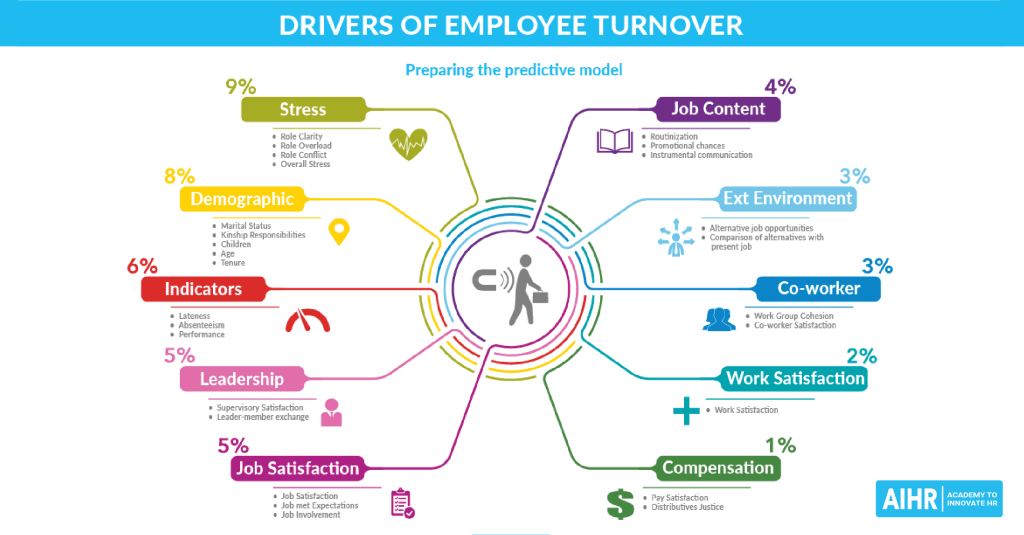
Photo by AIHR
Some common factors that contribute to staff turnover in the healthcare industry in Africa include:
1. Low compensation: Healthcare workers in Africa are often underpaid compared to their counterparts in other regions of the world. This can lead to employees seeking better-paying jobs elsewhere, which can result in high turnover rates.
2. Limited career advancement opportunities: Healthcare workers in Africa may feel limited in their career advancement opportunities, which can lead to frustration and job dissatisfaction.
3. High workload and burnout: Healthcare workers in Africa often work long hours and face heavy workloads due to understaffing and a high demand for healthcare services. This can lead to burnout and high turnover rates.
4. Lack of resources: Many hospitals in Africa lack adequate resources, including equipment, medication, and supplies. This can make it difficult for healthcare workers to provide the level of care they would like to, which can lead to job dissatisfaction and turnover.
5. Safety concerns: Healthcare workers in Africa may face safety concerns, including exposure to infectious diseases and violence. This can lead to fear and stress among employees, which can contribute to turnover.
Reducing staff turnover in hospital business in Africa requires addressing these factors and providing a supportive work environment that prioritizes the well-being and professional development of employees.

Photo by Cadient Talent
Reducing staff turnover is critical for any hospital business, as it can lead to a loss of expertise and knowledge, increased recruitment costs, and decreased morale among remaining staff. In Africa, where healthcare is often understaffed and under-resourced, reducing staff turnover is even more important. Here are some tips to help reduce staff turnover in your hospital business in Africa:
1. Offer competitive compensation and benefits: Healthcare workers in Africa are often underpaid and overworked, so offering competitive compensation and benefits can help attract and retain top talent. This can include competitive salaries, health insurance, vacation time, and retirement benefits.
2. Provide opportunities for professional development: Offering opportunities for professional development, such as training, continuing education, and mentorship programs, can help employees feel valued and invested in their careers. This can lead to increased job satisfaction and lower turnover rates.
3. Create a positive work environment: Creating a positive work environment can help reduce stress and burnout among employees. This can include creating a supportive culture, offering flexible scheduling, and providing a safe and comfortable working environment.
4. Recognize and reward employee achievements: Recognizing and rewarding employee achievements can help boost morale and increase job satisfaction. This can include bonuses, promotions, and public recognition for a job well done.
5. Encourage feedback and open communication: Encouraging feedback and open communication can help employees feel heard and valued. This can include regular check-ins, anonymous feedback channels, and open-door policies.
6. Prioritize work-life balance: Prioritizing work-life balance can help reduce stress and burnout among employees. This can include offering flexible scheduling, paid time off, and family-friendly policies.
7. Invest in employee well-being: Investing in employee well-being, both physical and mental, can help reduce healthcare costs and improve productivity. This can include offering wellness programs, mental health support, and access to healthcare services.
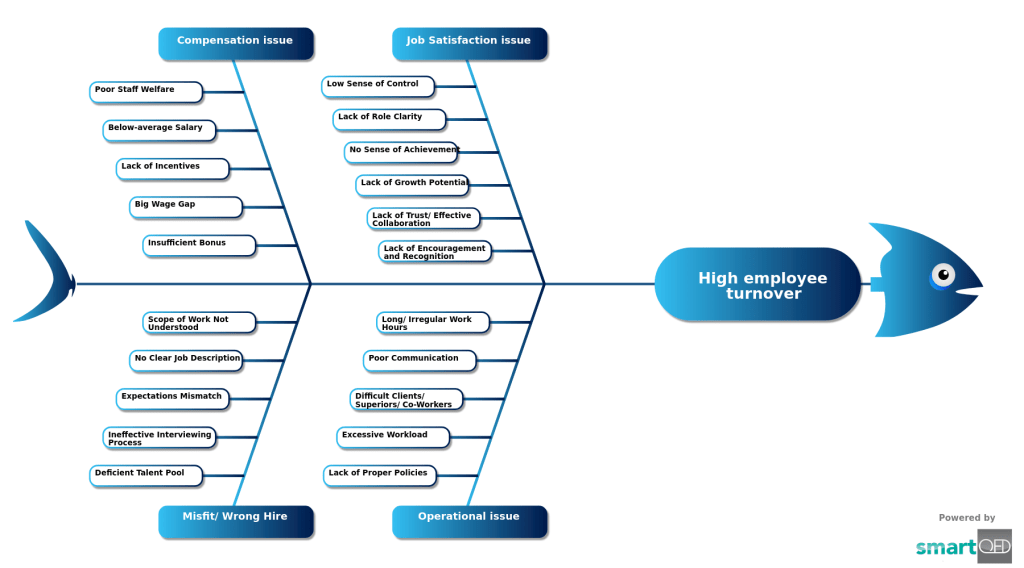
Photo By Smart QED
Reducing staff turnover requires a commitment to creating a positive work environment and investing in the well-being and professional development of employees. By prioritizing these areas, your hospital business in Africa can attract and retain top talent, improve patient care, and achieve long-term success

 Dr. Hamza Asumah
Leave a comment