
Hamza Asumah, MD, MBA
The use of technology in African hospitals varies widely depending on the country and the specific hospital. However, overall, the adoption of technology in African hospitals is generally lower compared to hospitals in other regions of the world.
According to the World Health Organization (WHO), many African countries face challenges with limited access to technology infrastructure, including electricity and internet connectivity, which can hinder the adoption and use of technology in healthcare facilities.
A survey conducted by the African Centre for eHealth Excellence (Acfee) in 2020 found that only 32% of African hospitals had electronic health records (EHRs) in use, and only 25% of hospitals had any clinical decision support systems (CDSS) in place. Additionally, the survey found that only 19% of African hospitals had telemedicine services available.

Photo By Forbes
However, there are some positive trends in the use of technology in African hospitals. For example, mobile health (mHealth) technologies, such as mobile applications and text messaging services, are increasingly being used to improve patient care and communication among healthcare providers. Additionally, there are initiatives and programs aimed at improving technology infrastructure and increasing the adoption of technology in African hospitals, such as the African Network for Digital Health (ANDH), which aims to promote collaboration and innovation in digital health across the continent.
Overall, while the use of technology in African hospitals is still relatively low, there are efforts underway to improve technology infrastructure and increase the adoption of technology in order to improve the quality of healthcare services in the region.
The healthcare industry is rapidly evolving, and the adoption and use of technology is becoming increasingly important for hospital businesses looking to accelerate growth. Technology can help hospitals improve patient outcomes, reduce costs, improve efficiencies, and stay competitive in a rapidly changing landscape. In this blog, we will explore the benefits of adopting and using technology in your hospital business.
1. Electronic Health Records (EHRs)
One of the most significant technological advances in the healthcare industry is the adoption of Electronic Health Records (EHRs). EHRs offer numerous benefits to hospitals, including improved patient care, increased efficiency, and reduced costs. By adopting EHRs, hospitals can streamline their workflows, reduce administrative burdens, and provide better patient care by having access to patients’ medical histories, test results, and treatment plans.

Photo by Thrive Global
2. Telemedicine
Telemedicine technology provides healthcare services to patients remotely, which has become increasingly important during the COVID-19 pandemic. Telemedicine can help hospitals provide care to patients who are unable or unwilling to come into the hospital, improving access to care for patients who may live in remote areas or have mobility issues. Telemedicine can also help hospitals reduce costs, improve efficiency, and increase patient satisfaction by providing convenient and accessible care.
3. Artificial Intelligence (AI) and Machine Learning (ML)
AI and ML technology have the potential to revolutionize the healthcare industry by improving patient outcomes, reducing costs, and increasing efficiency. AI and ML can help hospitals identify patterns and trends in patient data, allowing them to make more informed decisions about patient care. AI and ML can also help hospitals predict and prevent adverse events, such as hospital-acquired infections, reducing the risk of harm to patients.
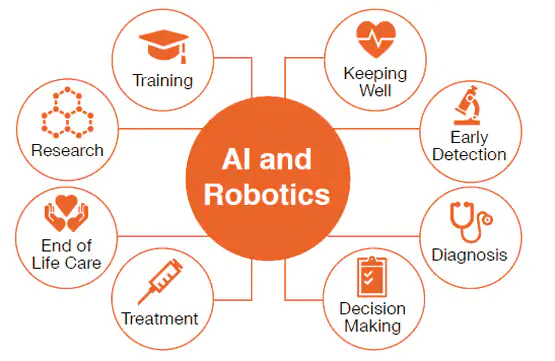
Photo by PwC
4. Internet of Things (IoT)
IoT technology can help hospitals improve patient care by allowing them to monitor patients’ vital signs and health conditions remotely. IoT devices can also help hospitals improve efficiency by automating tasks such as inventory management and asset tracking. By adopting IoT technology, hospitals can reduce costs, improve patient outcomes, and increase efficiency.
5. Robotics
Robotic technology can help hospitals improve patient outcomes by performing complex surgeries with greater precision and accuracy. Robotic technology can also help hospitals reduce costs by reducing the length of hospital stays and reducing the need for follow-up surgeries. By adopting robotic technology, hospitals can provide better patient care, improve efficiency, and reduce costs.
In conclusion, adopting and using technology can help hospital businesses accelerate growth by improving patient outcomes, reducing costs, improving efficiency, and staying competitive in a rapidly changing industry. By adopting EHRs, telemedicine, AI and ML, IoT, and robotics technologies, hospitals can provide more accessible, efficient, and effective care to their patients while reducing costs and improving their bottom lines. Hospital businesses that embrace technology will be better positioned to succeed in the future of healthcare.
If you have any experience with any of these technologies, please share in the comment section below.

 Dr. Hamza Asumah
Leave a comment